
Avoiding Common Mistakes When จดทะเบียนบริษัท in Thailand
Understanding the Importance of Proper Registration
Registering a company in Thailand, known as จดทะเบียนบริษัท, is a critical step for any entrepreneur looking to establish a business presence in the country. Proper registration not only ensures compliance with Thai laws but also builds trust with potential clients and partners. However, navigating this process can be challenging, and mistakes can be costly.
In this guide, we will explore common pitfalls and how to avoid them. Whether you're a local entrepreneur or an international investor, understanding these nuances is key to a smooth registration process.
Choosing the Right Business Structure
One of the first decisions you'll face is selecting the appropriate business structure. In Thailand, options include sole proprietorships, partnerships, and limited companies. Each structure has its own legal and tax implications, so it's crucial to choose wisely.
Many entrepreneurs make the mistake of opting for a structure that doesn't align with their business goals. It's advisable to consult with a legal expert to ensure that your chosen structure supports your long-term objectives.
Limited Companies: A Popular Choice
Limited companies are a common choice due to their limited liability and ability to attract investors. However, they require at least three shareholders and a registered capital. Understanding these requirements can prevent future complications.

Ensuring Compliance with Thai Laws
Compliance with local laws is non-negotiable. This includes adhering to the Foreign Business Act if you're a foreign investor. Failure to comply can lead to penalties or even business closure.
Make sure to understand the regulations specific to your industry. Some sectors have additional licensing requirements that must be met before you can legally operate.
Preparing Accurate Documentation
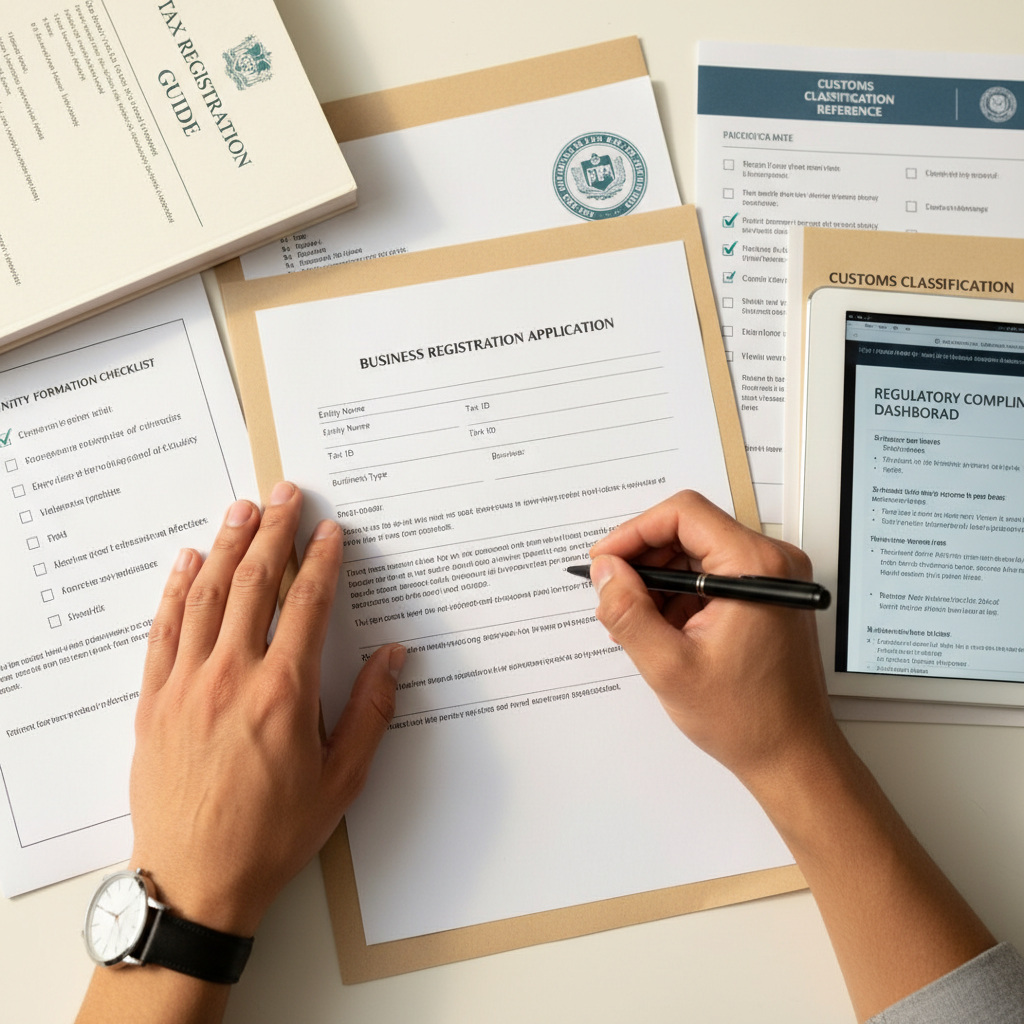
Proper documentation is crucial for a successful registration. This includes your company's memorandum of association, articles of association, and shareholder agreements. Incomplete or inaccurate documents are a common stumbling block.

It's beneficial to work with a legal professional familiar with Thai business laws to ensure all paperwork is correctly prepared and submitted. This can save you time and prevent potential legal issues.
Navigating the Tax System
Understanding the Thai tax system is essential for any business owner. Registration with the Revenue Department for VAT and corporate income tax is mandatory. Missteps here can lead to costly fines.
Utilizing Professional Help
Many businesses find it advantageous to hire a local accountant or tax advisor. These professionals can provide insights into tax incentives and ensure compliance with Thailand's complex tax regulations.

Conclusion: Seeking Professional Guidance
Avoiding common mistakes when registering a company in Thailand requires careful planning and attention to detail. By understanding the local landscape and seeking professional guidance, you can streamline the process and set your business up for success.
Whether you're starting a new venture or expanding an existing one, keeping these considerations in mind will help you navigate the complexities of the Thai business environment confidently.