
Comprehensive Guide to Bookkeeping in Thailand: Essential Tips for Businesses
Understanding the intricacies of bookkeeping in Thailand is crucial for any business, whether you're a startup or an established company. This guide will provide essential tips and insights to help you navigate the Thai bookkeeping landscape effectively.
Thailand's bookkeeping system is governed by specific regulations that businesses must adhere to. These regulations ensure transparency and accountability in financial reporting. Familiarizing yourself with these rules is the first step to compliant and efficient bookkeeping.

Understanding Thai Accounting Standards
The Thai Financial Reporting Standards (TFRS) are the backbone of accounting in Thailand. They align closely with international standards, offering a framework for financial transactions and reporting. Businesses must ensure their financial statements are prepared according to these standards.
Adopting TFRS not only ensures compliance but also enhances your business's credibility with investors and stakeholders. It's important to stay updated on any changes to these standards, as they can impact your reporting processes.
Key Components of TFRS
There are several key components of TFRS that businesses should be aware of:
- Revenue recognition: Guidelines on how and when to recognize revenue.
- Asset valuation: Methods for valuing and reporting assets.
- Financial statement presentation: Standards for the format and content of financial statements.

Essential Bookkeeping Practices
Effective bookkeeping is the foundation of any successful business. In Thailand, maintaining accurate and up-to-date records is not just good practice; it's a legal requirement. Here are some essential bookkeeping practices:
Record Keeping
Businesses must keep detailed records of all financial transactions. This includes sales, purchases, income, and payments. Proper documentation helps in auditing and ensures compliance with Thai laws.
Using Accounting Software
Leveraging accounting software can streamline your bookkeeping processes. Software solutions not only automate tasks but also reduce the risk of errors. Popular software options in Thailand include QuickBooks, Xero, and Thai-specific solutions like Express Financial.

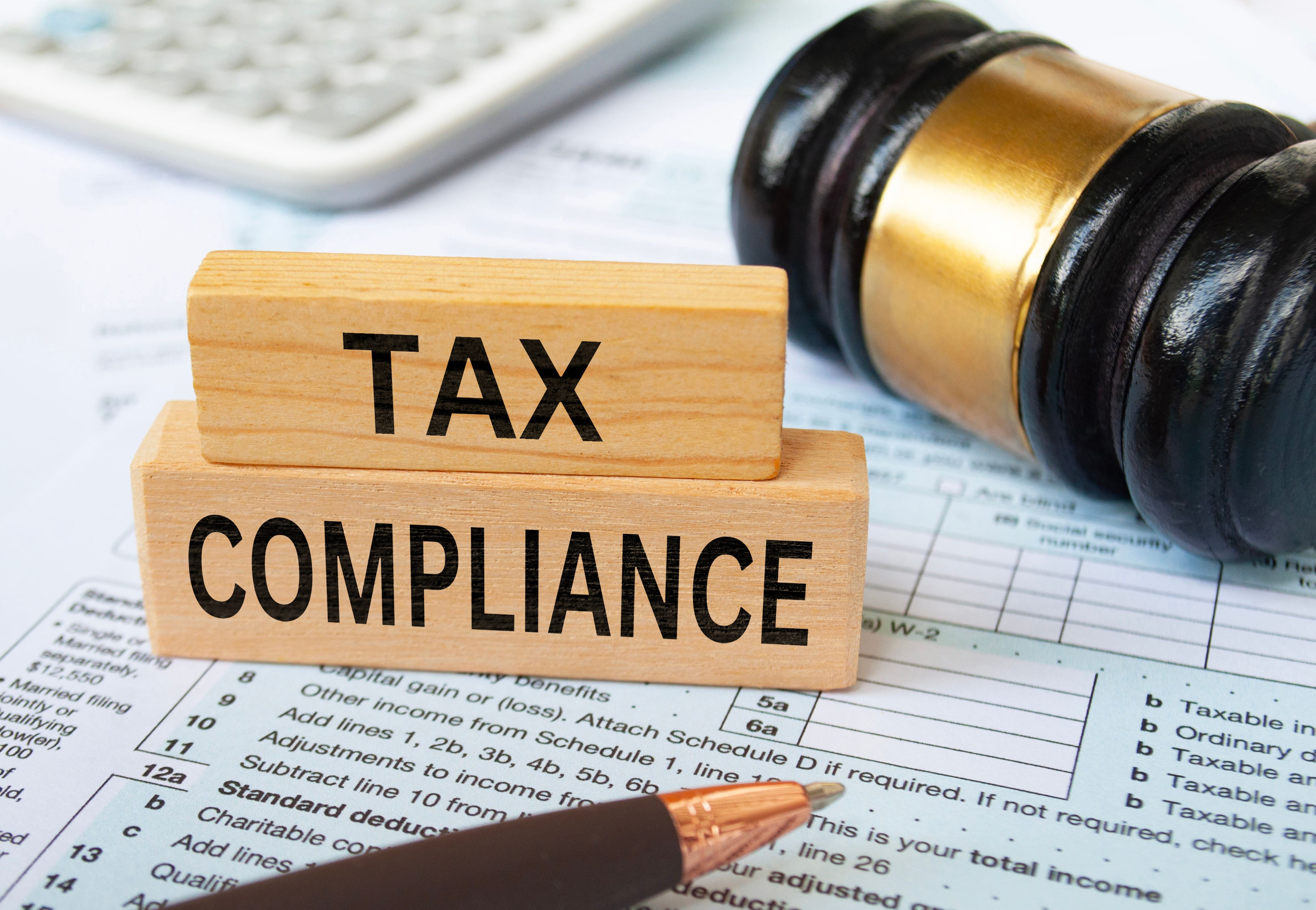
Tax Compliance in Thailand
Understanding and complying with Thailand's tax regulations is a critical aspect of bookkeeping. Businesses must register for tax and file returns regularly to avoid penalties.
Types of Taxes
The main taxes businesses need to be aware of include:
- Corporate Income Tax: Levied on the net profit of a company.
- Value Added Tax (VAT): Applied to the sale of goods and services.
- Withholding Tax: Deducted at source from certain payments.
Staying informed about tax deadlines and regulations is crucial for maintaining compliance and optimizing your tax strategy.
Conclusion
Bookkeeping in Thailand requires a thorough understanding of local accounting standards, effective record-keeping practices, and tax compliance. By following these essential tips, businesses can ensure they meet legal requirements and maintain financial health. Keeping up with the evolving regulations and leveraging technology will help businesses streamline their bookkeeping processes and focus on growth.