
DBD Registration in Thailand: Common Misconceptions Debunked
Understanding DBD Registration in Thailand
Registering a business with the Department of Business Development (DBD) in Thailand is a crucial step for entrepreneurs and companies looking to establish a presence in the country. However, the process is often surrounded by misconceptions that can lead to confusion. In this post, we aim to debunk these myths and provide clear insights into the DBD registration process.
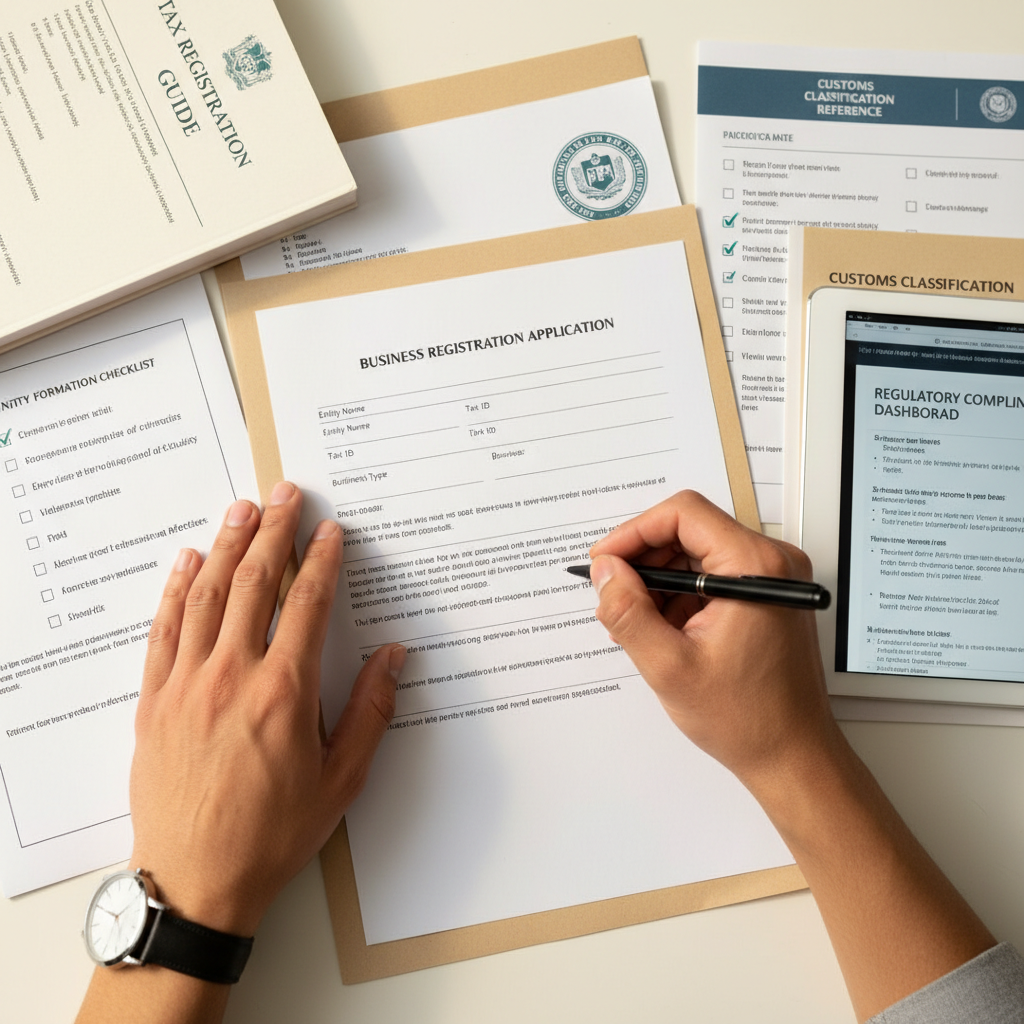
Myth 1: DBD Registration is Only for Large Companies
One of the most common misconceptions is that DBD registration is only required for large corporations. In reality, any business that plans to operate legally in Thailand, regardless of its size, must be registered with the DBD. This includes small businesses and startups. Registration ensures that your business is recognized by the Thai government and can operate within the legal framework.
Failing to register can lead to legal complications and fines. Therefore, it’s crucial for businesses of all sizes to complete this step to ensure compliance with local laws.
Myth 2: The Process is Extremely Complicated
Another misconception is that the DBD registration process is overly complex and time-consuming. While it does require a series of steps, understanding the requirements and preparing the necessary documents can streamline the process significantly. With the right guidance, many businesses find the registration process to be straightforward.

The DBD provides resources and support to help businesses navigate the registration process. Additionally, many legal firms and consultants offer services to assist with the paperwork and submission, making the process even more manageable.
Myth 3: Foreigners Cannot Register a Business
Some believe that foreigners are not allowed to register businesses in Thailand. This is not true. Foreigners can register businesses, but there are specific regulations they must adhere to. For instance, certain types of businesses require a majority of Thai ownership, and there may be restrictions on foreign participation in some sectors.
However, with careful planning and understanding of the legal landscape, foreigners can successfully register and operate businesses in Thailand. Consulting with a legal expert can provide clarity on the types of businesses that are open to foreign ownership and any special requirements involved.

Myth 4: Once Registered, No Further Action is Needed
Registering with the DBD is just the first step. Businesses must also comply with ongoing requirements, such as annual reporting and tax filings. Failure to adhere to these obligations can result in penalties and complications. Regular updates to business information and compliance with changes in the law are also necessary to maintain good standing.
Staying informed about the latest regulations and maintaining proper documentation is crucial for the continuous operation of your business in Thailand.
Conclusion
DBD registration is essential for any business looking to operate in Thailand. By debunking these common misconceptions, we hope to provide a clearer understanding of the process. Whether you're a small startup or a large corporation, ensuring that your business is properly registered will set the foundation for success in Thailand's dynamic market.
For those considering starting a business in Thailand, taking the time to understand the DBD registration process and seeking professional advice can make all the difference. With the right approach, registering your business can be a straightforward and rewarding experience.