
How to Navigate DBD Compliance as a Small Business in Thailand
As a small business owner in Thailand, understanding DBD (Department of Business Development) compliance is crucial for ensuring smooth operations. The DBD oversees various aspects of business registration, financial reporting, and compliance. Navigating these requirements can seem daunting, but with the right approach, you can manage it effectively.

Understanding the Basics of DBD Compliance
The first step in navigating DBD compliance is understanding the basic requirements. The DBD mandates that all businesses register with the department, file annual financial statements, and comply with regulations related to corporate governance and operations. Ensuring that your business meets these requirements is essential to avoid penalties and legal issues.
Small businesses must also be aware of the deadlines for submitting various documents to the DBD. Missing these deadlines can result in fines or other penalties. Therefore, maintaining a calendar of important dates can help keep your business on track.
Registering Your Business
Registering your business with the DBD is one of the first steps in compliance. This process involves submitting the necessary documentation, including your company’s articles of association, shareholder agreements, and other relevant documents. It's important to ensure that all documentation is accurate and complete to avoid delays.
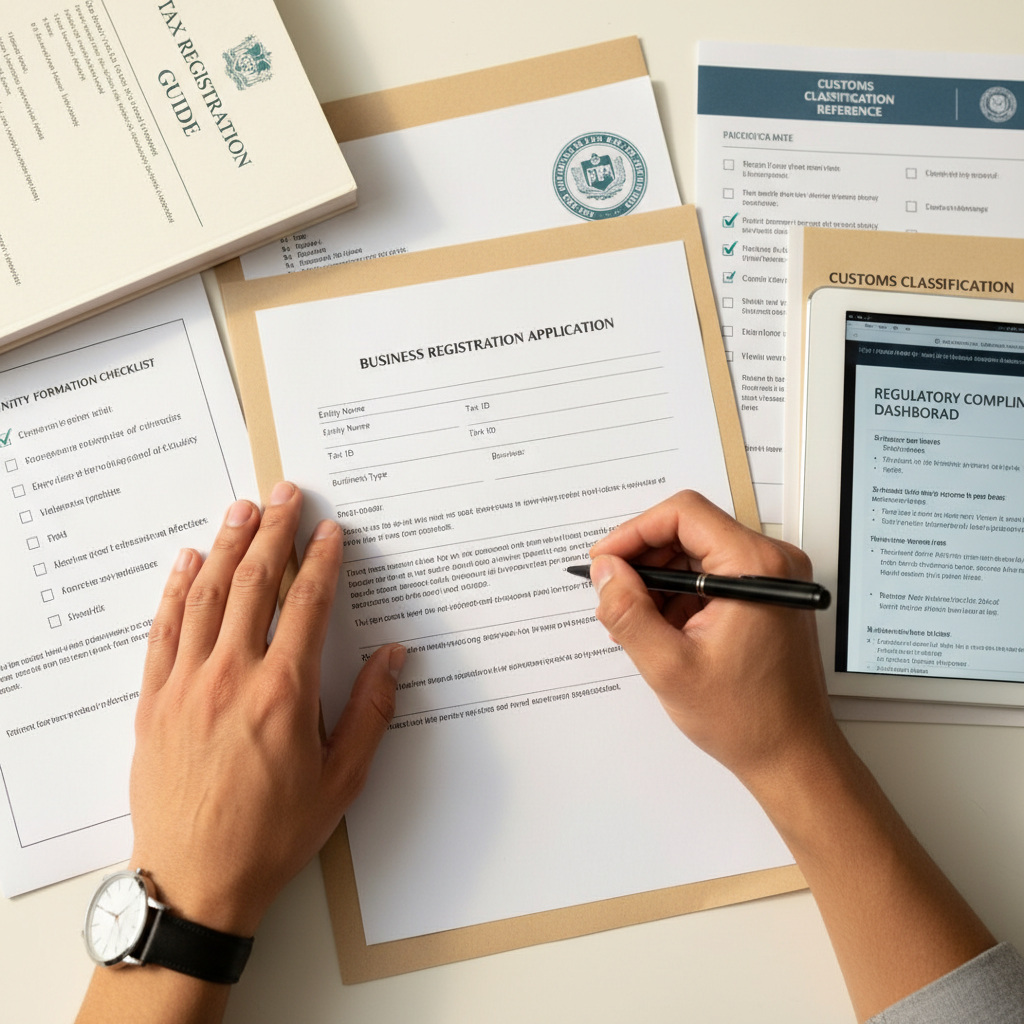
Once registered, your business will receive a registration number, which is essential for all future dealings with the DBD. Keep this information secure and accessible for any necessary updates or correspondence.
Filing Financial Statements
Filing annual financial statements is a critical aspect of DBD compliance. These statements provide a comprehensive overview of your business’s financial health and are used by the DBD to ensure transparency and accountability. Small businesses must file these statements within five months of the end of their fiscal year.
Maintaining Accurate Records
To ensure accurate and timely filing, maintain meticulous records throughout the year. This includes keeping track of income, expenses, and any other financial transactions. Consider investing in accounting software or hiring a professional accountant to streamline this process.

Staying Updated with Regulations
Regulations can change, and staying updated is crucial for ongoing compliance. Regularly check the DBD’s official website or subscribe to their newsletters for updates on any changes in regulations or requirements that might affect your business.
Seeking Professional Assistance
For many small businesses, navigating DBD compliance can be complex. Seeking assistance from legal or financial professionals who specialize in Thai business law can be a valuable investment. These experts can provide guidance and ensure that your business remains compliant with all regulations.
In conclusion, while navigating DBD compliance as a small business in Thailand may seem challenging, understanding the basic requirements, maintaining accurate records, and seeking professional assistance can significantly ease the process. By staying informed and proactive, you can focus on growing your business confidently.