
Preparing for Year-End Audits: Key Considerations for Businesses in Phuket
Understanding the Importance of Year-End Audits
As the fiscal year draws to a close, businesses in Phuket need to prepare for year-end audits. These audits are crucial for ensuring financial transparency and compliance with regulatory standards. They provide an accurate picture of a company's financial health, which is essential for stakeholders and future planning.
Year-end audits can be daunting, especially for small and medium-sized enterprises. However, with proper preparation, businesses can streamline the process and avoid common pitfalls. This guide offers key considerations to help Phuket businesses prepare effectively.

Organizing Financial Documents
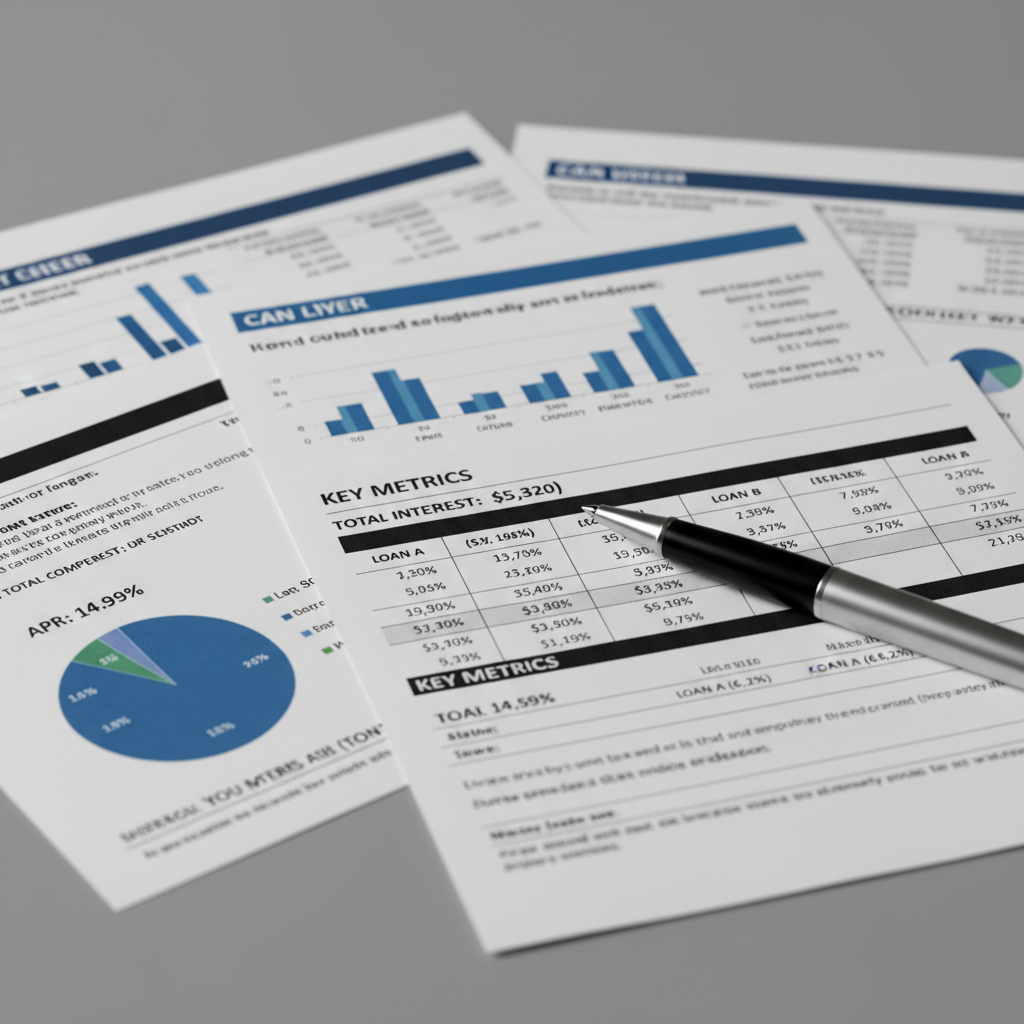
The first step in preparing for an audit is organizing financial documents. This includes income statements, balance sheets, cash flow statements, and tax returns. Ensuring these documents are accurate and up-to-date is vital.
To facilitate this process, businesses should implement a filing system that categorizes documents by type and date. Digital solutions, such as accounting software, can automate this process and reduce the risk of human error.
Reviewing Internal Controls
Internal controls are processes and procedures that help ensure the integrity of financial information. Reviewing these controls can identify weaknesses that might lead to errors or fraud. Regular checks and balances are essential for maintaining the accuracy of financial records.
Businesses should conduct internal audits periodically to evaluate their control systems. By doing so, they can implement corrective measures before the year-end audit, thus ensuring a smoother process.

Engaging with Auditors Early
Engaging with auditors well before the year-end audit can be advantageous. Early communication allows businesses to understand audit requirements and timelines, helping them prepare more effectively.
Building a good relationship with your auditors can lead to more efficient audits. Open communication ensures that any issues or concerns are addressed promptly, reducing the likelihood of last-minute surprises.
Addressing Tax Compliance
Tax compliance is a critical aspect of year-end audits. Businesses must ensure that all tax obligations are met, and any discrepancies are resolved beforehand. This involves reviewing tax liabilities, credits, and deductions.
Working with a tax consultant can provide valuable insights into the latest tax regulations and help avoid penalties. Staying informed about changes in tax laws is essential for maintaining compliance.

Preparing for Potential Challenges
Despite thorough preparation, businesses may encounter challenges during audits. These can include discrepancies in financial statements or missing documentation. Being prepared to address these issues is crucial.
Developing a contingency plan that outlines potential challenges and solutions can help mitigate risks. This proactive approach ensures that businesses are ready to handle unforeseen circumstances effectively.
Leveraging Technology
Technology plays an increasingly vital role in audit preparation. Accounting software and cloud-based solutions can streamline data management and enhance the accuracy of financial records.
By leveraging these technologies, businesses can reduce manual work and improve efficiency. Implementing automated systems ensures that financial data is easily accessible and organized, facilitating a smoother audit process.

Conclusion
Preparing for year-end audits requires careful planning and attention to detail. By organizing financial documents, reviewing internal controls, engaging with auditors early, and ensuring tax compliance, businesses in Phuket can navigate the audit process with confidence.
Embracing technology and preparing for potential challenges further enhances the likelihood of a successful audit. With these strategies in place, businesses can focus on their growth and future opportunities, knowing their financial foundation is solid.