
Seasonal Tax Preparation Tips for Businesses in Thailand
As the fiscal year draws to a close, businesses in Thailand must gear up for tax season. Proper preparation is crucial to ensure compliance and optimize financial outcomes. Here are some key tips to help you navigate the tax landscape effectively.
Understanding Thai Tax Obligations
Businesses in Thailand are subject to various tax obligations, including corporate income tax, value-added tax (VAT), and withholding tax. Understanding these requirements is essential to avoid penalties and ensure smooth operations.
Corporate income tax is levied on net profits, with a standard rate of 20% for most companies. VAT, on the other hand, is set at 7% and applies to goods and services. It's important to know which taxes apply to your business and how to calculate them accurately.
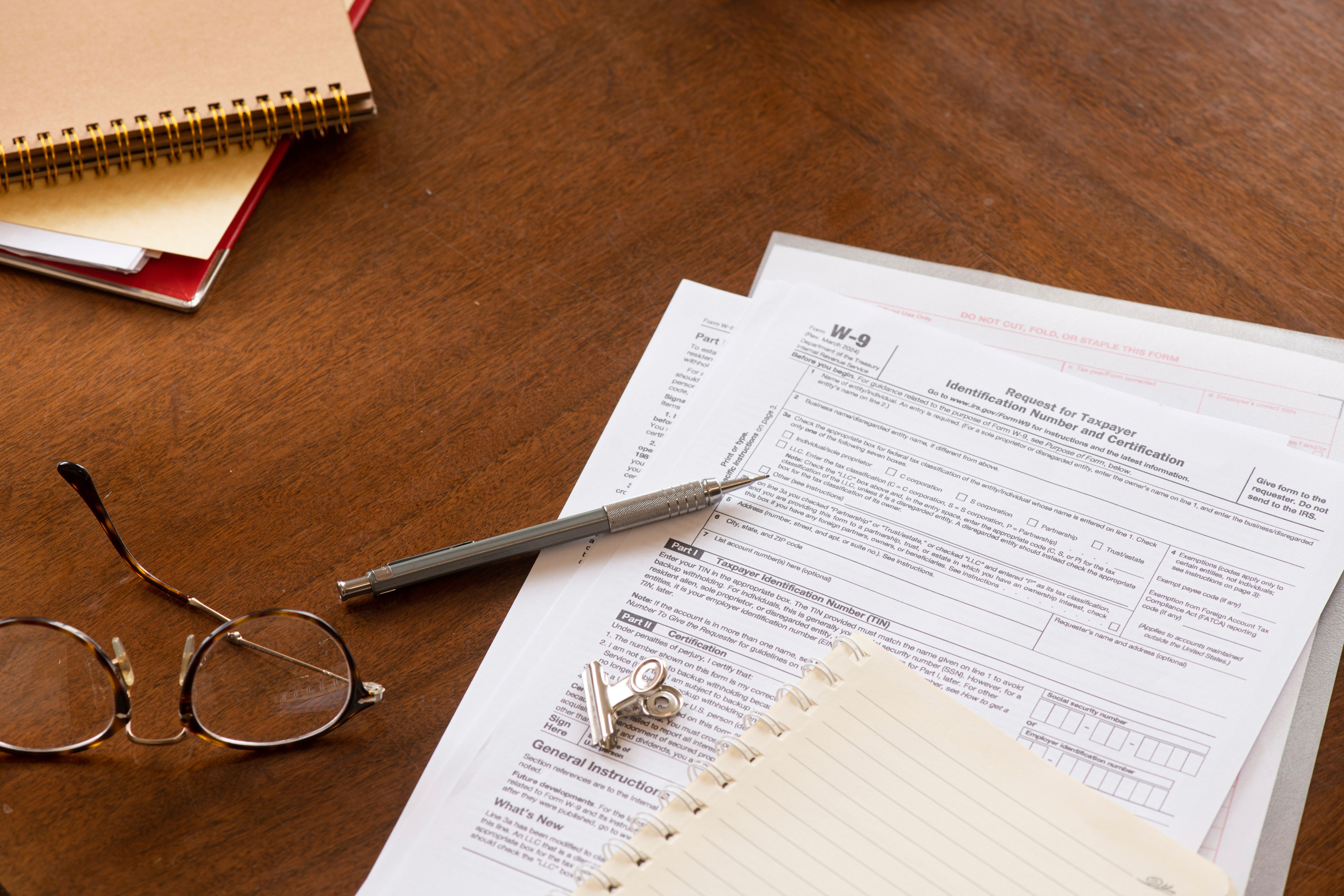
Preparing Financial Statements
Accurate financial statements are fundamental for tax preparation. These documents provide a clear picture of your business’s financial health. Ensure that your balance sheet, income statement, and cash flow statement are up-to-date and audited if necessary.
Consider using accounting software to streamline the process and reduce errors. This will not only assist in tax preparation but also provide valuable insights into your financial performance.
Leveraging Tax Deductions and Incentives
Thailand offers various tax deductions and incentives to encourage business growth and investment. Familiarize yourself with these opportunities to reduce your taxable income and enhance profitability.
Common deductions include expenses related to employee training, research and development, and environmentally friendly practices. Additionally, certain industries may benefit from specific tax incentives, so it's wise to consult a tax professional to optimize your strategy.

Maintaining Accurate Records
Proper record-keeping is not only a legal requirement but also a practical necessity for tax preparation. Ensure that all receipts, invoices, and financial documents are well-organized and easily accessible.
Implementing a digital record-keeping system can enhance efficiency and reduce the risk of lost or damaged documents. Regularly update your records to reflect all business transactions accurately.
Consulting with Tax Professionals
Engaging a qualified tax professional can provide invaluable guidance and ensure compliance with Thai tax laws. They can assist in identifying applicable deductions, preparing tax returns, and addressing any complex tax issues.
Choose a professional with experience in Thai taxation and a solid understanding of your industry. Their expertise can save your business both time and money.

Planning for Future Tax Seasons
Effective tax preparation is an ongoing process. Develop a strategic plan for future tax seasons to avoid last-minute stress and potential errors. Regularly review financial statements and update your tax strategy as needed.
Stay informed about changes in tax regulations and adjust your approach accordingly. A proactive mindset will contribute to long-term financial success.
By following these tips, businesses in Thailand can navigate the tax season with confidence, ensuring compliance and optimizing financial outcomes. With careful planning and professional guidance, tax preparation need not be a daunting task.